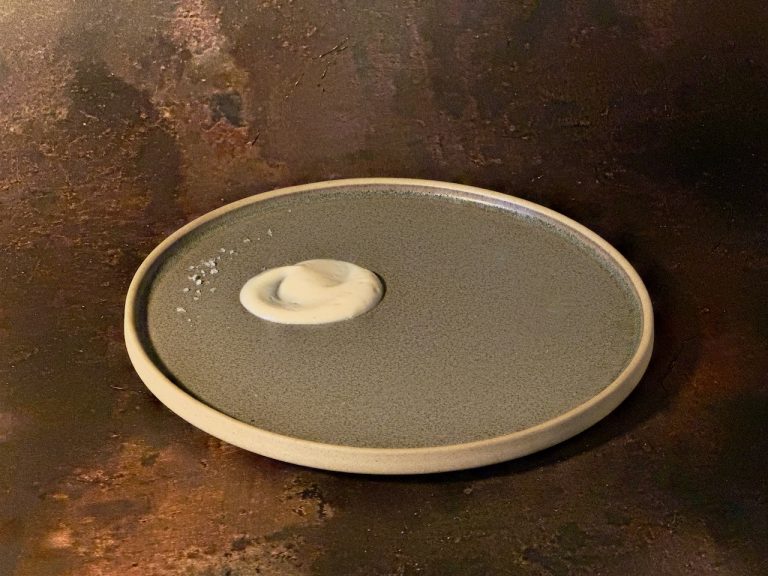
The Amiable Roux – The Classic French Sauce Thickener
Drawn from French kitchens – the humble, golden beginning of countless comforting dishes
Table of Contents
✨ Before We Begin…
A good roux is the kind of thing you don’t think much about – until you make one that works. This version is reliable, unfussy, and gently transformative. It forms the base of béchamel, gravies, and more, and once you’ve made it a few times, it becomes second nature – like knowing when toast is done.
This magical mix thickens sauces beautifully and roux forms the basis of 3 of the 5 classic french sauces (velouté, espagnole, and béchamel).
‘Must be best food offer, of any genre, in Kendal. Hugely accomplished cooking and very much recommended.’
Tony P, Kendal; Food Customer
The Cook’s Mind
This is the kind of recipe that changes how you cook, even if it’s just flour and fat in a pan. You’ll learn to read the texture, smell when it’s ready, and know when to stop or keep going — which means you’re not just following instructions, you’re learning control. A good roux gives you confidence in the kitchen, and reminds you that sometimes, it’s the quietest techniques that do the most.
Make-Ahead
Technically, yes – but a roux is so quick to make, it’s often easiest to prepare fresh. You can store a cooled roux in the fridge and melt it back into a hot pan when needed.
Freezer-Friendly
Freezing a roux isn’t ideal – it’s quick to make and best used fresh. But if you must, freeze in small portions and reheat gently before adding liquid.
Key Substitution Ideas
- Gluten-free flour blends can work in a roux, but whisk thoroughly and add liquid slowly.
- Vegan butter or oil both work as the fat base – just keep the ratio even.
Ingredient Focus: Plain Flour
Plain flour is the quiet muscle of a good roux – its only job is to cook into the fat until smooth and golden, creating the base for sauces with real backbone. No raising agents, no complications – just slow heat and steady whisking.
✨ A simple start to something silky.
My Favourite Way To Eat
There’s something quietly wonderful about making a roux — the way flour and fat melt into something with purpose. I most love it layered into a proper plant-based lasagne, where béchamel made from this base puddles gently between pasta and a rich ragu. Georgia doesn’t get any, of course — but she lies nearby, hopeful, while the oven does its work and the kitchen smells like comfort.
Multi-Purpose Recipe
This recipe has more than one life. Learn to use its elements across different dishes – and start thinking like a cook, not just a recipe follower.
A roux is a quiet building block with endless potential. Use it as the base for béchamel, cheese sauces, gravies, or creamy stews — anywhere you need smoothness, body and that satisfying glossy finish. Once you know how to make it by feel, you’ll find yourself using it instinctively, even without thinking.
Why You’ll Love This Recipe
- It brings body and silkiness to your sauces – a good roux creates that smooth, glossy texture that just feels right.
- It’s the foundation for dozens of other recipes – from béchamel to gravy to creamy vegetable soups – it starts here.
- It gives you control – no lumps, no guesswork – just a gently thickened sauce, exactly as you want it.
- It’s quietly satisfying to make – stirring flour into fat and watching it transform is more calming than it has any right to be.
- It teaches you the rhythm of the pan – once you’ve made a few, you’ll stop measuring and start knowing.
What Will You Learn Whilst Making This Recipe?
- How to combine flour and fat in just the right ratio
- How to recognise the perfect texture and colour at each stage
- How to build flavour into a neutral base
- How roux thickness changes depending on how long it’s cooked
- How to apply this simple technique across a wide range of recipes
Handpicked to Go With This One
A few recipes that play well together — flavour friends, not just neighbours.
Waste Less: How To Use Up Your Ingredient Stash!
Got something spare – a handful, a spoonful, or the end of a packet? These tags help you find other ways to use it. It’s a small step toward cooking intuitively and wasting less❣️
The Amiable Roux Recipe
The Amiable Roux – The Classic French Sauce Thickener
A good roux starts with equal parts fat and flour, gently cooked into a golden base. From there, it transforms sauces with ease – béchamel, gravy, and more. It’s a quiet kitchen ally that does its work in the background, but makes everything smoother.
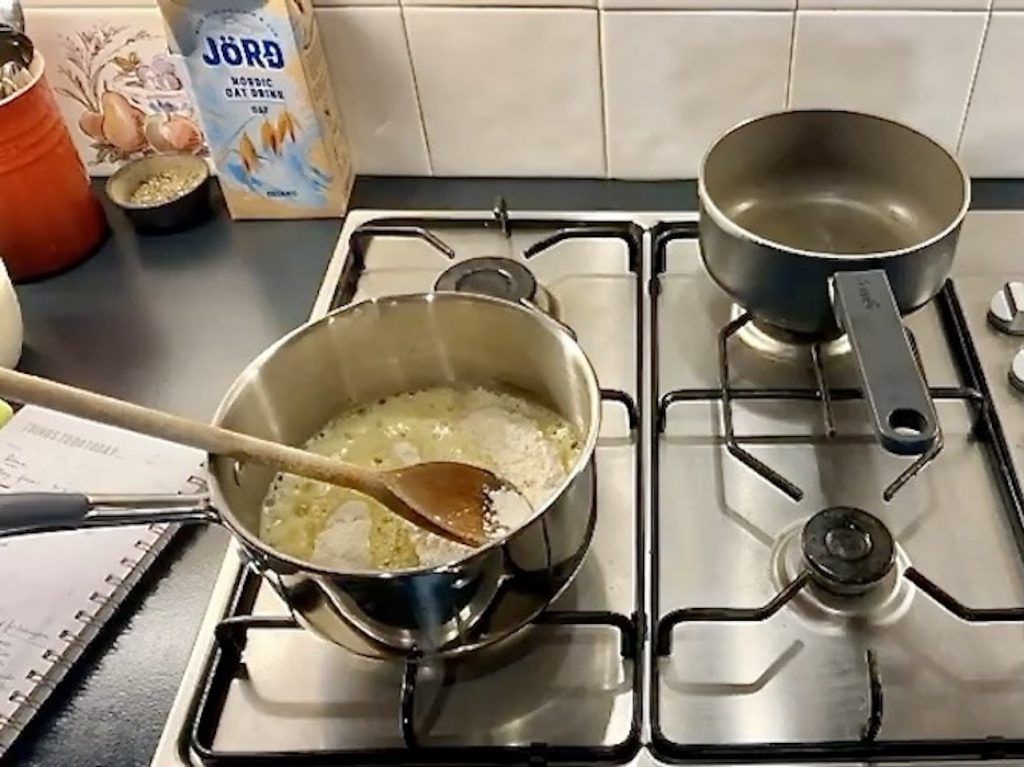
Ingredients
- 50 g butter | unsalted
- 50 g plain flour
Instructions
- Kindly note that the butter and flour weights specified in this recipe will make enough roux to thicken 500 ml of milk.Measure out the flour and aerate it briefly with a fork, to get rid of lumps and clumps.50 g butter, 50 g plain flour
- Melt the butter in a saucepan on a low heat.
- When it's melted, pour the flour into the pan, and using a spatula, mix the flour into the melted butter. Keep stirring the mixture for 2–5 minutes, to cook the flour. I have a decent nose on me (!) and can definitely smell the flour cooking.Please see the Vegan Kitchen Wisdom notes below for timings for the different 'colours' of roux.
Video
Nutrition
Calories: 135kcalCarbohydrates: 10gProtein: 1gFat: 10gSaturated Fat: 2gPolyunsaturated Fat: 3gMonounsaturated Fat: 5gTrans Fat: 2gSodium: 82mgPotassium: 16mgFiber: 0.3gSugar: 0.04gCalcium: 2mgIron: 1mg
Nutritional values are estimates only and will vary depending on specific ingredients used. Nutrition is per serving. Information is for the main recipe, not optional accompaniments.
COPYRIGHT
© The Golden Polar Bear, 2026. Recipe and photography by Julia Savory. If you share it, please link back to thegoldenpolarbear.com.
Next Steps?
You’ve got the full recipe — now take it further. Inside Black Labrador, you’ll find structured video courses and an ever-growing cookbook designed to help you cook with understanding, not guesswork. Learn, revisit, and deepen your skills at your own pace.
‘Totally recommend the cookery course. The meals are really tasty and full of flavour (not like most of the vegan mush I make for myself).’
Kerry B, Cumbria