Foundations Vegetable Stock No. 1: Dill and Parsley
Drawn from European soup pots and English vegetable gardens
Table of Contents
- ✨ Before We Begin…
- The Cook’s Mind
- Ingredient Focus: Dill
- My Favourite Way to Eat
- Serving Suggestions
- Multi-Purpose Recipe
- Why You’ll Love This Recipe
- What Will You Learn Whilst Making This Recipe?
- Handpicked to Go With This One
- Waste Less: How To Use Up Your Ingredient Stash!
- Foundations Vegetable Stock No. 1: Dill and Parsley Recipe
✨ Before We Begin…
This isn’t just stock – it’s the heartbeat beneath your cooking, if you choose to let it be. This stock is a quiet powerhouse, built on the timeless quintet of garlic, onion, carrot, celery, and leek. To this, you’ll add dill and parsley – or swap in other herbs to suit your mood or meal. It’s salt-free, freezer-friendly, and wholefood to the core. This is the kind of clean plant-based cooking that most interests me: unprocessed, flavour-first, and made from real ingredients that feel good in your body. A gentle foundation for food that’s nourishing, radiant, and entirely your own.
‘Must be best food offer, of any genre, in Kendal. Hugely accomplished cooking and very much recommended.’
Tony P, Kendal; Food Customer
The Cook’s Mind
This recipe isn’t about simmering vegetables (although that’s what you do) – it’s about tending to yourself and those you feed. Award-winning chefs make their own stock because it tastes better, feels and tastes lighter on the palate, and holds no hidden nasties. Homemade stock is clean, clear, and completely yours – tailored each time to what you have, and what you need.
Stock-making teaches rhythm and care: the slow, steady kind. You begin with very ordinary ingredients and end with a golden broth that hums quietly with layered depth.
If you’re used to shop-bought stock, your palate might need a moment to recalibrate – homemade has a gentler purity, a quieter depth that doesn’t shout but stays with you. Homemade stock brings an X factor to your food.
Also, making stock is a gentle antidote to overwhelm. It calms the nervous system. It saves money, reduces waste, and turns the unnoticed into the essential. And with each batch you build, your confidence grows – you’ll know what to do, and you can begin to build your own stocks layered with flavours you’re planning to use in particular dishes.
Make-Ahead
It’s fairly essential for sanity to make-ahead. This lasts 5 days in the fridge. Allow it to cool before decanting into properly-labelled tubs noting especially which herb you used. To start with, store it in 250ml or 500ml batches. Some people use freezer bags to store liquids because they are space-efficient.
Freezer-Friendly
Freeze in labelled portions – 250ml, 500ml, or 1 litre – for easy grab-and-go cooking. Also note which herb you used to ensure you choose the correct stock for the meal you’re making.
Rescue Mission: What To Do When Things Go Wrong
- Stock tastes flat? Are your ingredients chopped too big? Are you using good quality veg? Try organic vegetables and ensure that you chop the ingredients finely.
- Comes out cloudy? The recipe specifies to strain through muslin but if you’re still cloudy, simmer more gently and no stirring!
- No fresh herbs? Make a note when you label the stock for fridge or freezer, and try to add a sprig or two when you use it. If that’s unlikely, just tuck a dried bay leaf into the pot while it simmers – it brings quiet depth without any fuss.
Key Substitutions
No dill? Use fennel fronds or even a few celery leaves.
No leek? Use spring onion ends will carry that sweetness.
Cooking Parlance
Steeping broth – a gentle technique where aromatics, spices or dried ingredients are infused into simmering liquid, creating layers of subtle, balanced flavour without intense heat or colour.
Ingredient Focus: Dill
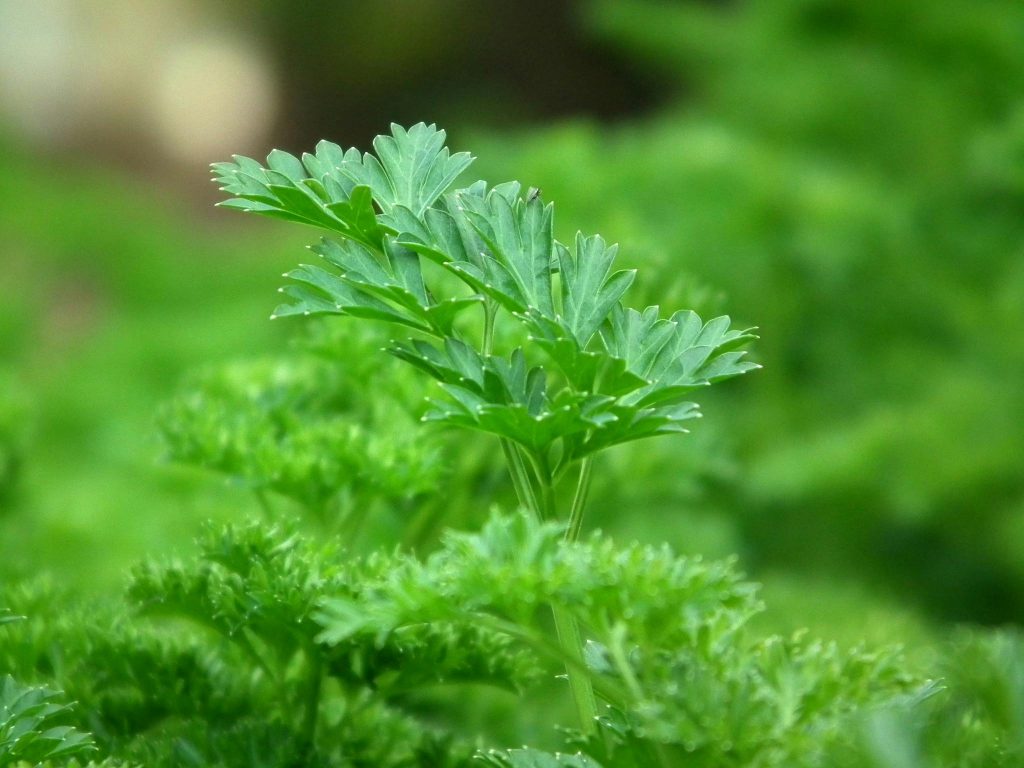
Dill is often overlooked, mistaken for a garnish when it’s really a quiet alchemist. In stock, it lends an ethereal, almost nostalgic perfume that can soften brassica bitterness or elevate sweet root veg. Use the stems as well as the fronds –they hold the strongest flavour. Just a sprig or two will do. I found this interesting article about dill. I am so used to see the herb in packets in supermarkets, I enjoyed seeing the image of it growing.
✨ A soft green breeze.
My Favourite Way to Eat
There’s something monastic about standing at the stove while a stock simmers – like tending a fire in a chapel. I love the cleanliness on the palate and when I’ve made some, whilst I’m batching it, I drink a cup to cleanse my system.
Serving Suggestions
- Use as the base for a silky risotto or pilaf
- Pour hot into a flask for sipping on rainy hikes
- Use to deglaze a pan after sautéing mushrooms or onions
Multi-Purpose Recipe
This recipe has more than one life…
This is your kitchen’s foundation stone – made for freezing, batch cooking, and adapting to whatever you have. Add tomato paste or a dried mushroom for depth; leave it light for creamy soups and sauces. A good veg stock makes you feel rich in the best kind of way.
Why You’ll Love This Recipe
- Salt-free and allergen-friendly
- Uses up spare veggies
- Gentle, well-balanced flavour base for any dish
What Will You Learn Whilst Making This Recipe?
- How to extract maximum flavour from everyday veg
- Balancing aromatic herbs and savoury depth
Handpicked to Go With This One
A few recipes that play well together — flavour friends, not just neighbours.
Waste Less: How To Use Up Your Ingredient Stash!
Got something spare – a handful, a spoonful, or the end of a packet? These tags help you find other ways to use it. It’s a small step toward cooking intuitively and wasting less❣️
Foundations Vegetable Stock No. 1: Dill and Parsley Recipe
Foundations Vegetable Stock No. 1: Dill and Parsley
An easy and flexible clear vegetable stock made from onion, carrot, celery, and leek, finished with fresh dill and parsley. Light, clear, and full of everyday flavour – perfect for all manner of dishes and the ideal replacement for factory-made stock cubes.
Ingredients
- 1 unit large brown onion | chopped
- ¼ unit leek | chopped
- 1 unit stick celery | chopped
- 2 units carrots | chopped
- 3 units fresh garlic cloves | peeled and flattened
- 1 litre water
- 3 tbsp flat leaf parsley | roughly chopped
- 3 units dill stalks | don't chop, it gets everywhere because it's so fine!
Instructions
- Please be aware that the ingredients need chopping up to increase surface area, not for neatness. Put the ingredients listed into the water, bring to a simmer, and then simmer for 30 minutes. After 30 minutes, take the pan off the heat.1 unit large brown onion, ¼ unit leek, 1 unit stick celery, 2 units carrots, 3 units fresh garlic cloves, 1 litre water
- Add the herbs, put a lid on the pan and let it cool down. Decant to a container suitable for the fridge and let it infuse overnight. In the morning, strain through muslin if you want to (for clarity) but it that doesn't matter, just sieve it and store it in the fridge or freezer.Please remember that unlike factory-made stock cubes, this recipe contains no salt. So recipes that you make with commercial stock cubes will need the salt content adjusted.3 tbsp flat leaf parsley, 3 units dill stalks
Nutrition
Serving: 250mlCalories: 3kcalCarbohydrates: 1gProtein: 0.1gFat: 0.03gSaturated Fat: 0.01gPolyunsaturated Fat: 0.01gMonounsaturated Fat: 0.01gSodium: 15mgPotassium: 23mgFiber: 0.1gSugar: 0.1gVitamin A: 342IUVitamin C: 4mgCalcium: 13mgIron: 0.2mg
Nutritional values are estimates only and will vary depending on specific ingredients used. Nutrition is per serving. Information is for the main recipe, not optional accompaniments.
COPYRIGHT
© The Golden Polar Bear, 2026. Recipe and photography by Julia Savory. If you share it, please link back to thegoldenpolarbear.com.
Next Steps?
You’ve got the full recipe — now take it further. Inside Black Labrador, you’ll find structured video courses and an ever-growing cookbook designed to help you cook with understanding, not guesswork. Learn, revisit, and deepen your skills at your own pace.
‘Totally recommend the cookery course. The meals are really tasty and full of flavour (not like most of the vegan mush I make for myself).’
Kerry B, Cumbria